Signature Journeys
Six cities, one unbroken thread
12Days
6Cities
2Guests
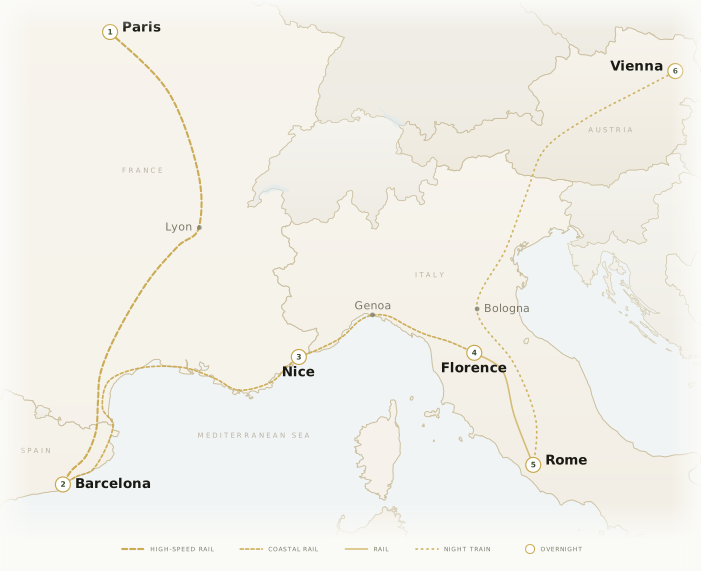
OverviewTwelve days through six of Europe's greatest art cities, Paris, Barcelona, Nice, Florence, Rome and Vienna, linked entirely by high-speed rail in first class, designed for two, and curated by one person from first enquiry to arrival home.
You arrive in Paris and nothing is scheduled. Check in, unpack properly, and let the city come to you: an evening stroll along the Île Saint-Louis, a glass of Burgundy at a zinc bar, dinner at an unhurried pace near your hotel. The museums can wait until you have slept. The journey begins tomorrow, on your legs rather than the aeroplane's.
The journey begins where it should: the Louvre. Pre-booked, skip-the-line access means you walk directly to the Denon Wing, the Winged Victory, the Italian paintings, the Venus de Milo, and finally the Mona Lisa at the right hour of the morning. In the afternoon, cross the Seine to the Musée d'Orsay for the Impressionists: Monet's series paintings, Renoir's light, the Degas dancers in their pastel haze. An early dinner, and a sense that the standard for the days ahead has been set very high.
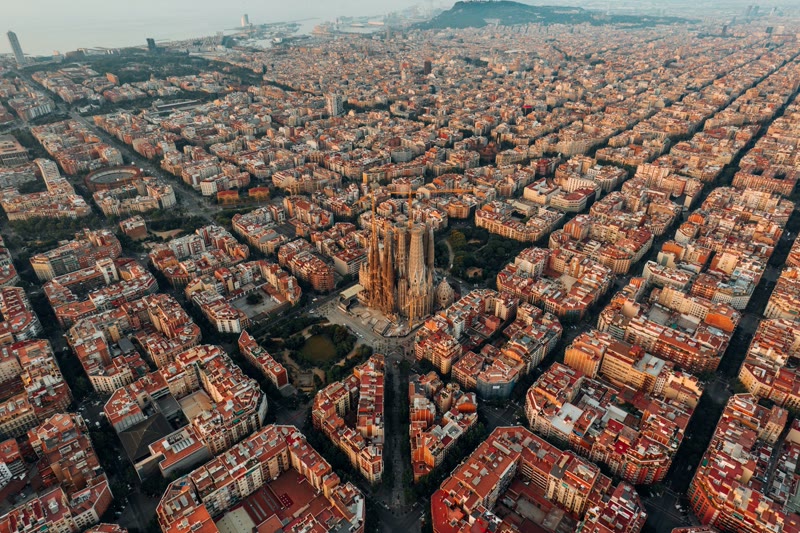
Board the high-speed TGV at Gare de Lyon and arrive in Barcelona in six and a half hours, the landscape shifting from the Rhône valley through the Languedoc lagoons to the Catalan hills. Check in to your hotel in the Eixample: Cerdà's rational grid interrupted by Gaudí's irrationalism at every turn. An evening guided walk through the Gothic Quarter with a local art historian: the Roman columns visible beneath medieval streets, the Modernista lamp posts, the layers of a city that has been built and rebuilt on the same ground for two thousand years.
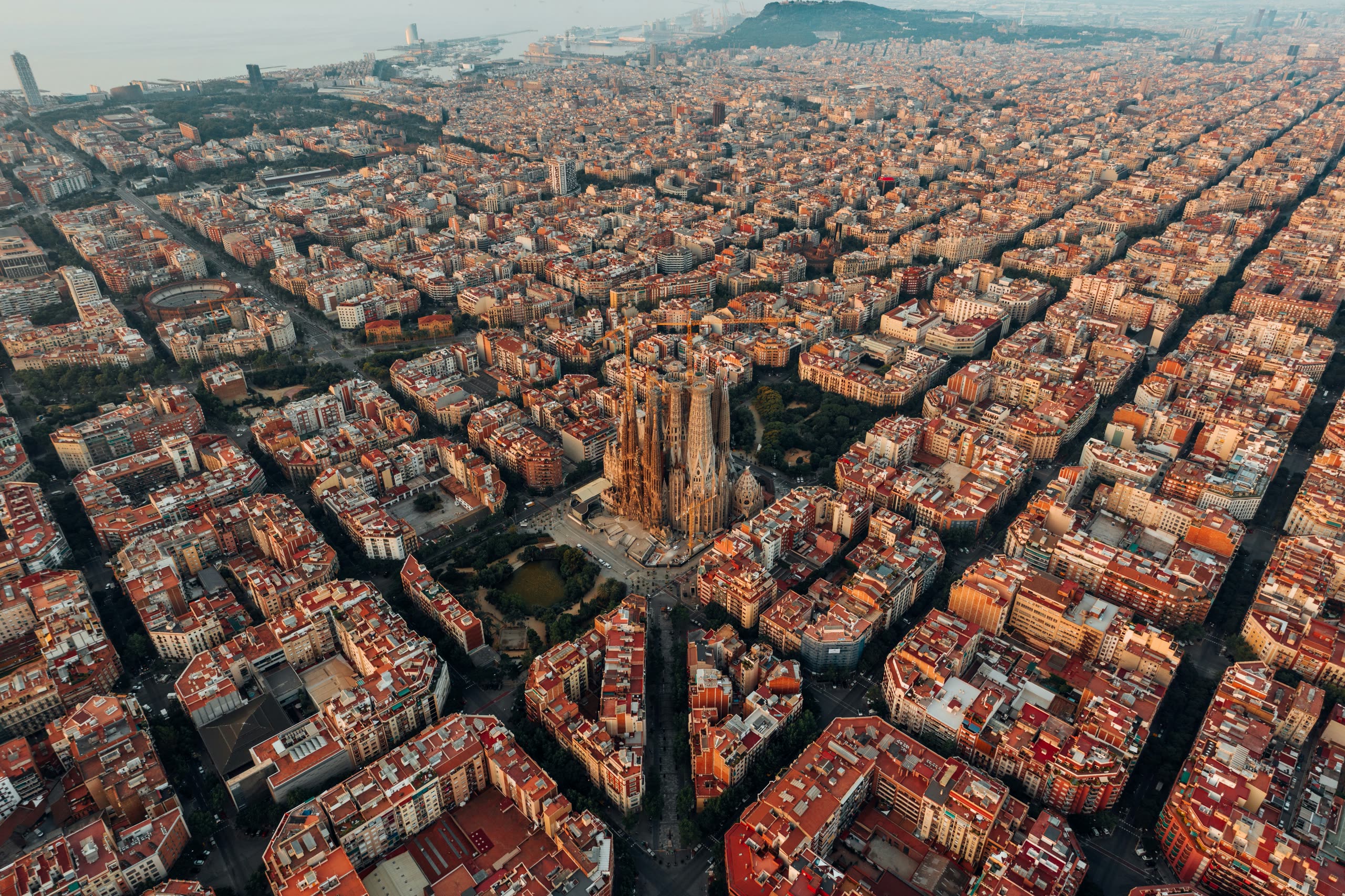
A private morning at the Sagrada Família before general admission opens, tower access included, with a guide who has spent years studying what Gaudí actually intended. The forest of columns, the branching vaults, the way the nave fills simultaneously with warm reds from the west and cool blues from the east. In the afternoon, the Palau de la Música Catalana: Domènech i Montaner's extraordinary stained-glass concert hall, followed by a walk along Passeig de Gràcia to see Casa Batlló and Casa Milà at the hour the afternoon light catches the façades. In the evening you return to the Palau for a concert beneath the stained glass, seats reserved: the hall doing what it was built to do.
The long travel day of the journey, taken calmly. The morning AVE runs north past Girona and the Pyrenees foothills, then along the lagoons of the Languedoc to Marseille, where you change trains once, met on the platform, your luggage handled. From Marseille the line finds the sea and stays with it: the calanques, the red rock of the Esterel, the villas of the Riviera, and Nice by early evening. A slow first walk on the Promenade des Anglais and dinner in the old town, ten minutes from your hotel.
A whole day for the Riviera, with nothing to catch. The Cours Saleya flower market in the morning, a socca at a counter table with a glass of Bellet rosé, the narrow streets of the Vieille Ville. In the afternoon, the Matisse Museum: a smaller collection than the major institutions but curated with intelligence in a beautiful old villa above the city, in a neighbourhood Matisse himself lived in for twenty years. The evening is yours, and the sea does the rest.
A day built around the most beautiful stretch of track on the route. The morning train hugs the Ligurian Riviera, Menton, the Italian border, the coastal tunnels opening again and again onto the sea, to Genoa, where the day pauses deliberately: a long lunch in the old port's caruggi, pesto where it was invented. Then onwards down the coast and inland through Tuscany, arriving in Florence in the early evening. Check in near the Oltrarno and dinner at a trattoria where the bistecca is from a Chianina cow and the Chianti Classico is from twelve kilometres away.
The full Florence day for which this whole journey exists. Morning at the Uffizi Gallery with a private guide, pre-booked reserved entry, working through the Botticellis (Birth of Venus, Primavera), the da Vincis, the Caravaggios, the Titians, each work placed in the context of the Medici patronage that made the Renaissance possible. In the afternoon, the Accademia: Michelangelo's David, whose scale and perfection in the original confounds everyone who has studied it in reproduction. An evening in the Oltrarno, dinner, a digestivo, and the knowledge that you have seen Florence properly.
The Frecciarossa covers Florence to Rome in ninety minutes, Executive class, coffee barely finished. Check in near the Campo de' Fiori, the liveliest neighbourhood in Rome, full of food shops, flower stalls and trattorias. The afternoon is yours: sit in a café on Piazza Navona, walk slowly through Trastevere, or find the Forum at the hour when the late light turns the stone gold. In the evening, a guided walk through Baroque Rome: the Pantheon, still the best-preserved ancient building in the world, Bernini's fountain in Piazza Navona, and dinner under a pergola in Trastevere.
An early start is required. Reserved access to the Vatican Museums and Sistine Chapel, a timed entry that places you in the Chapel before the volume reaches its daily peak, when Michelangelo's ceiling is briefly, almost privately, comprehensible. The Raphael Rooms on the way out. In the afternoon, the Borghese Gallery, by appointment only, 120 visitors maximum, for Bernini's sculptures: Daphne and Apollo, the Rape of Persephone, David. No photograph of these works explains what the marble actually does in the room. An aperitivo near the illuminated Colosseum to end the evening.
A morning with no reservations: the Pantheon again if it pulled at you, a last espresso standing at the bar, the Campo de' Fiori market doing its theatre. In the early evening, Roma Termini and the Nightjet sleeper to Vienna: a private Deluxe compartment with its own shower, dinner brought to you, and the lights of Umbria sliding past as you fall asleep. The distance is covered while you dream.
The sleeper arrives in Vienna in the morning, breakfast served before the Ringstrasse. Check in, and spend the afternoon in the Kunsthistorisches Museum: the Habsburg collections, the Bruegels, the Vermeers, the Velázquez portraits assembled over centuries by a dynasty that understood acquisition as statecraft. In the evening, the Vienna State Opera, seats reserved, and a final dinner of Wiener Schnitzel in the first district, where the city still looks much as it did when Klimt was painting it. A glass of Grüner Veltliner. A fitting end.
Add nights, swap hotels, fold in a celebration: tell me what this trip is for, and I will redesign it around that.
The doors this journey opens are booked before you fly: the private mornings, the timed entries, the seats beneath the stained glass. Five of the rooms that decide the journey:
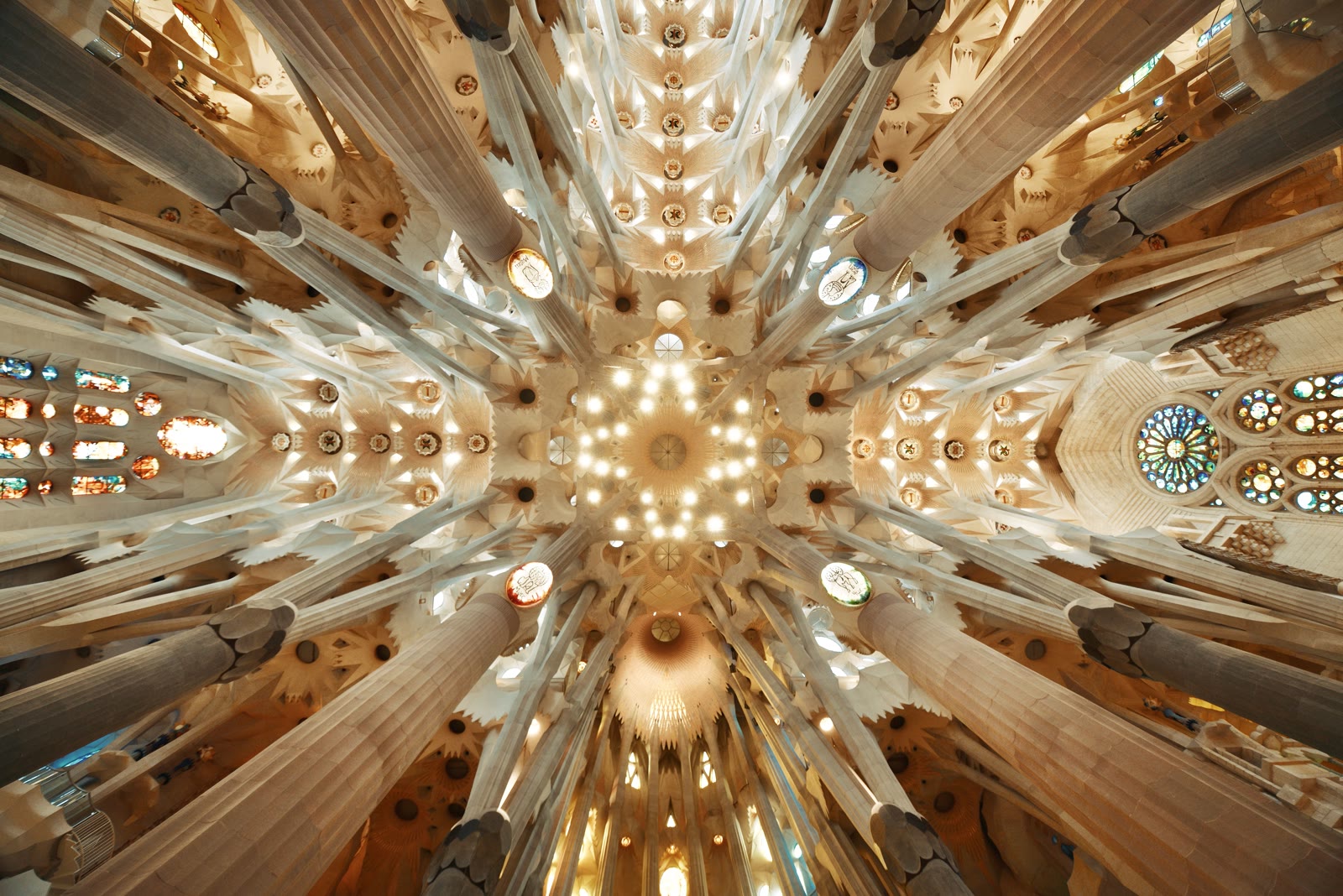
A private morning with tower access, before general admission opens: the forest of columns in first light.
View details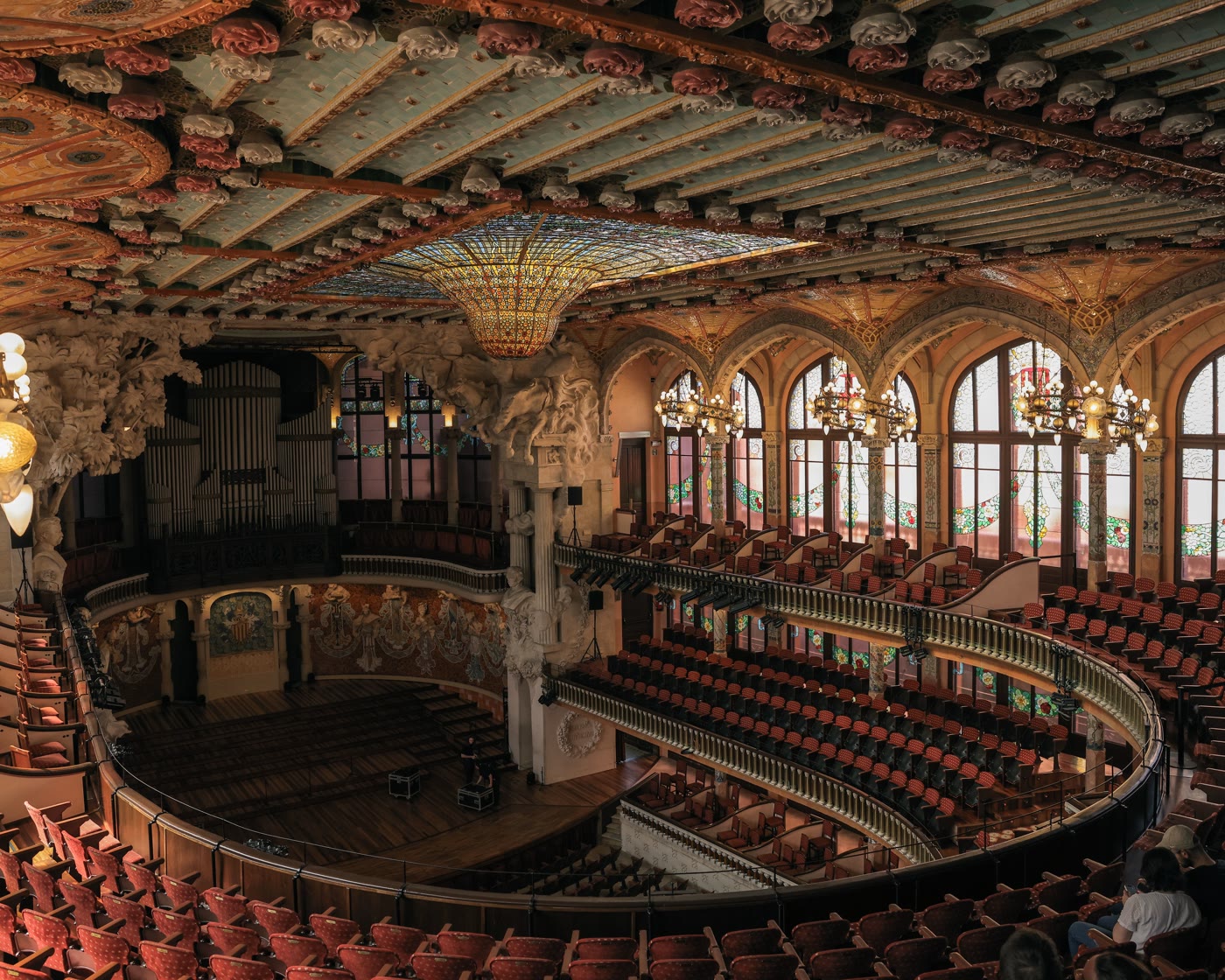
An evening beneath Domènech i Montaner’s stained-glass skylight, seats reserved: the hall doing what it was built for.
View details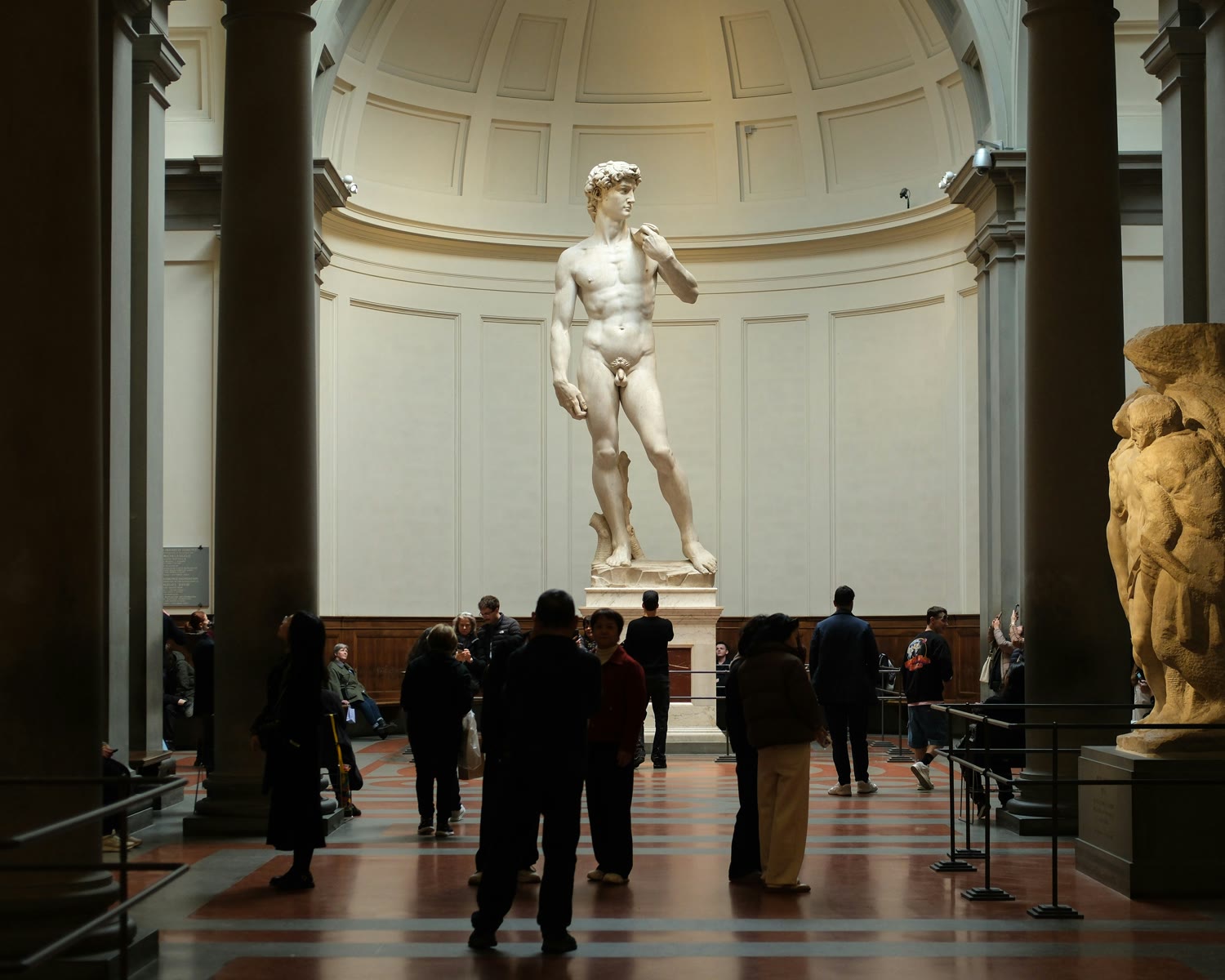
A private art historian through the Botticellis and da Vincis, then the Accademia for the David itself.
View details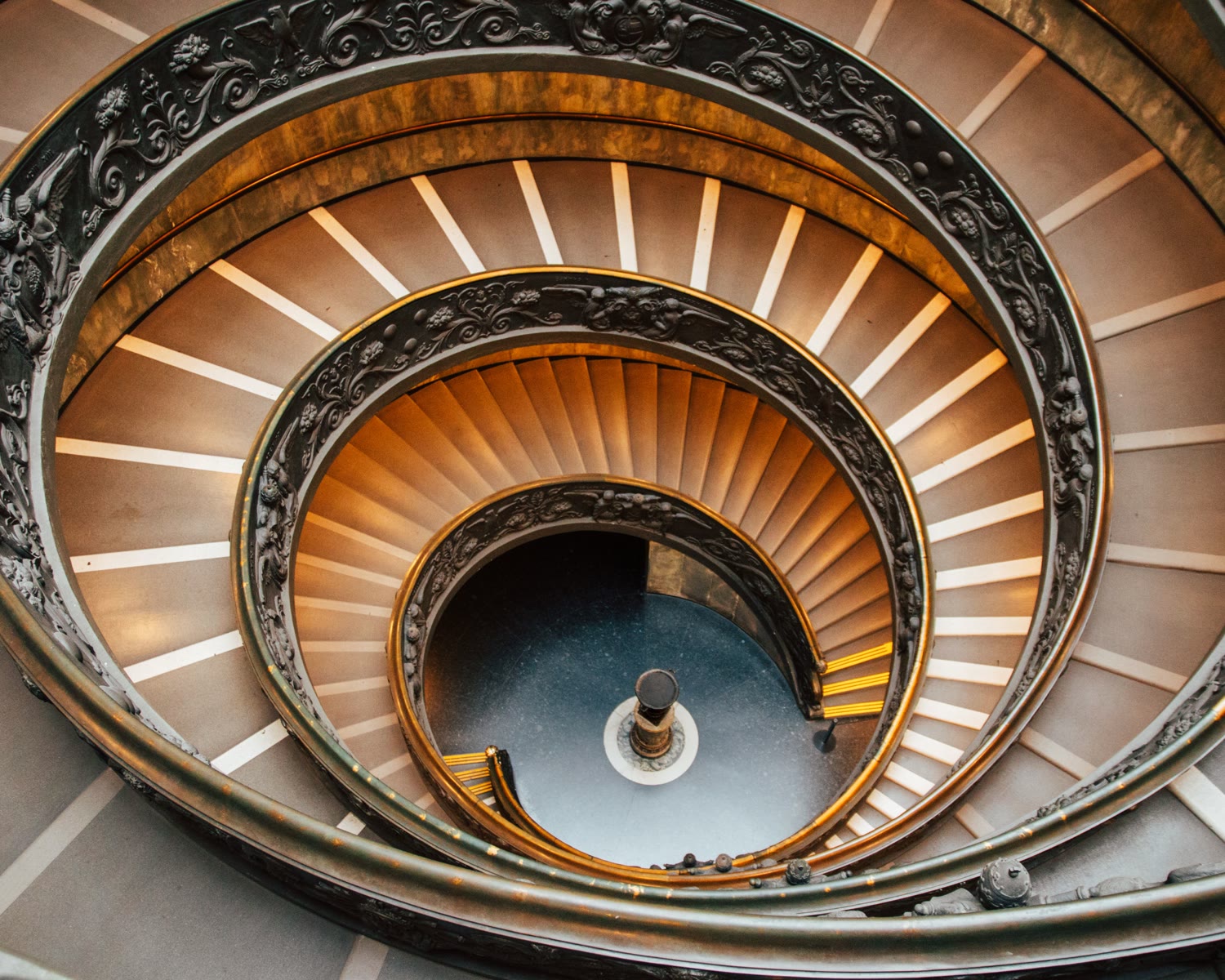
Timed access before the crowds peak, the Raphael Rooms on the way out, and the 120-visitor Borghese by appointment.
View details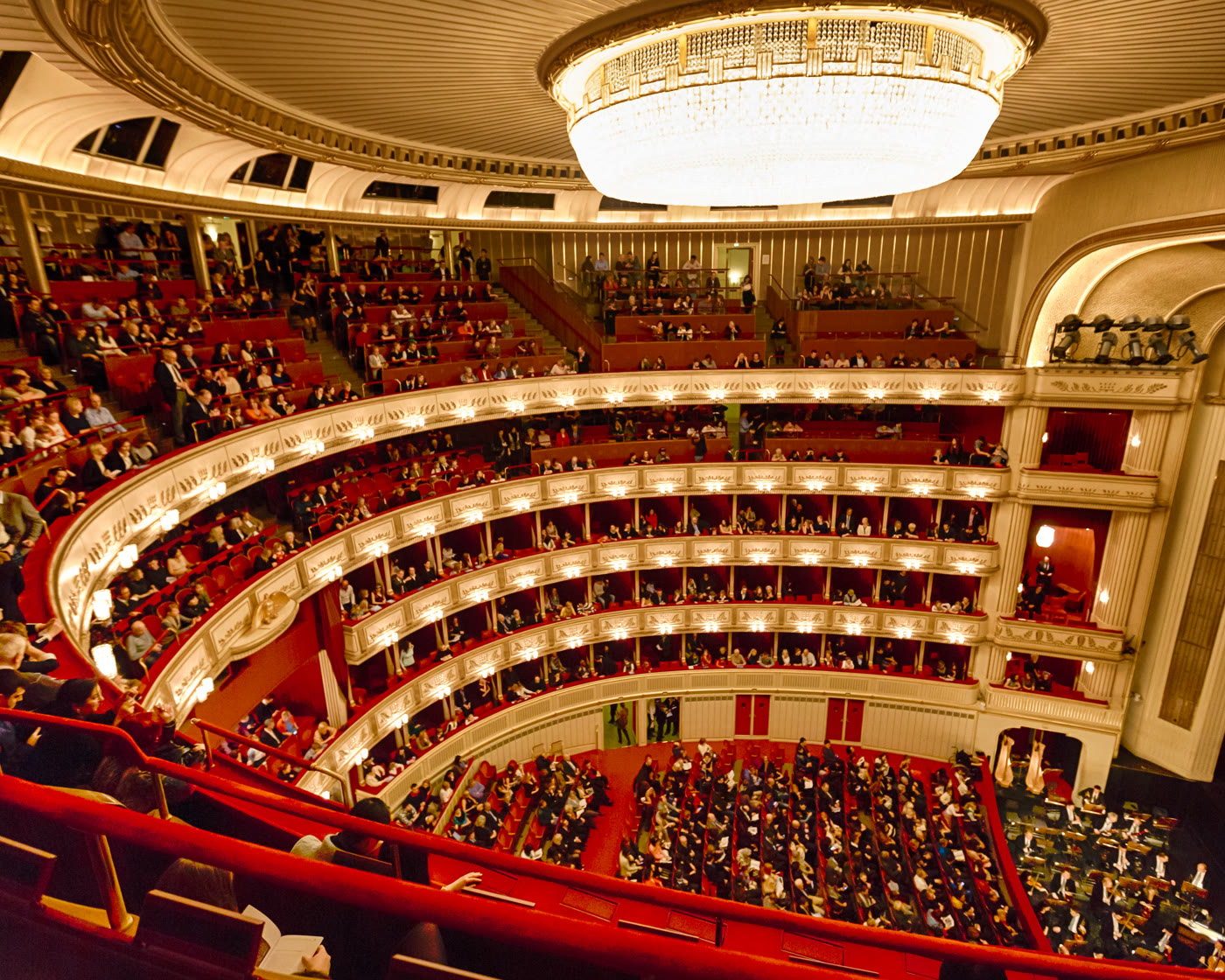
The finale, reserved: the grand staircase, the gold and velvet, and whatever masterpiece is on the bill.
View detailsYour per-person price holds for fourteen days while you decide, firm before you pay.
Start your proposalTwelve days, six hotels, every museum and every seat reserved. Your exact itinerary is priced in your proposal within 48 hours.
Guide prices per person by month, everything in the inclusions column included. There is no departure calendar: the journey runs on your dates within these windows.
The cities before the crowds: mild coastal light, uncrowded museum mornings, and the easiest month for the best rooms.
Plan these datesTerrace season opens along the whole route: warm evenings in Barcelona and Nice, the gardens of Florence in bloom.
Plan these datesThe longest evenings of the year: dinner outside in every city, and the sea warm enough at Nice for a morning swim.
Plan these datesSummer's warmth without its crowds: the water at its warmest, the cities back to their own rhythm.
Plan these datesThe painters' light on the Riviera and quiet museum halls: the most atmospheric weeks, and the last departures of the year.
Plan these datesPrivate for two on the dates you choose. City festival and congress weeks can spike hotel rates: I route your nights around them, and your price is firm in the 48-hour proposal.
The Swiss Wellness Grand Tour runs May to October.
Your request is with me. I read every enquiry personally and will reply within a day, usually sooner.